-
Pest Control
More than 50 employees at your service in all branches.
Get a free inspection -
Pest Library
More than 50 employees at your service in all branches.
Explore Our Pest Library
Ants are social insects that live in organized colonies made up of workers and a queen. They will eat almost any food but are especially attracted to sweets, grease and water, which is why they often appear in kitchens and bathrooms.
Ants are easy to recognize by their three distinct body parts: head, thorax and abdomen, plus their bent antennae. They vary in color and size, from tiny brown ants to large black carpenter ants.
If you notice ant trails or nests in your home, contact Safeguard for a free inspection. Our team will identify the species and treat the colony at its source so the problem does not return.
Field Ants
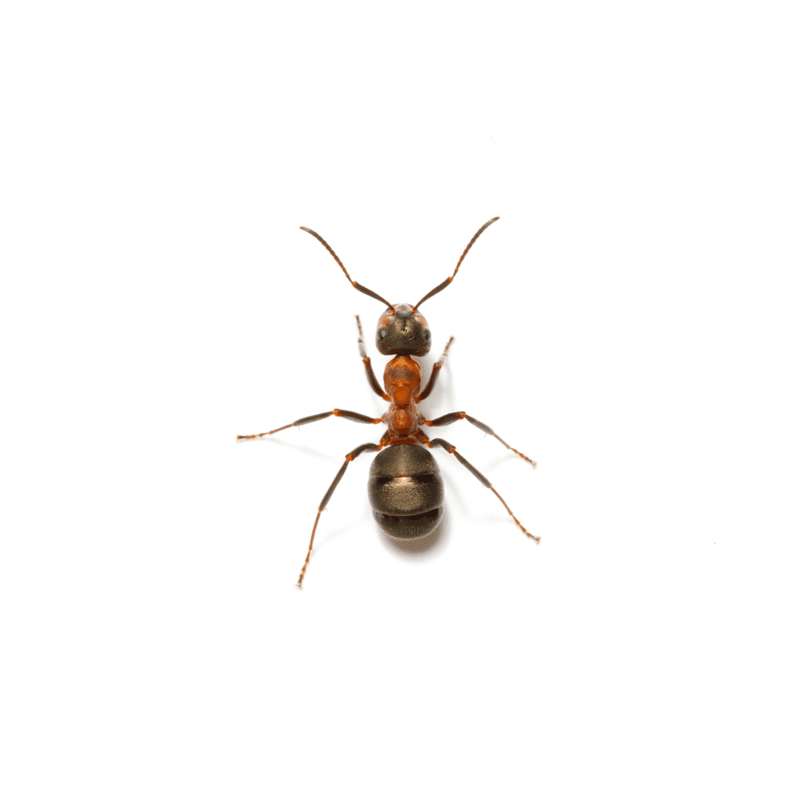
The appearance
Habits
- Nest in soil in lawns and gardens and leave small mounds.
- Feed on honeydew, insects and seeds.
- Rarely nest indoors but come in looking for food.
Life Cycle
- Colonies have one or more queens.
- Winged ants swarm in the warm months.
- Workers live for several months.
Fire Ants

The appearance
Habits
- Build dirt mounds in sunny, open areas.
- Sting painfully and repeatedly when disturbed.
- Eat insects, seeds and sweet foods.
Life Cycle
- The queen can lay up to 1,500 eggs a day.
- Colonies can grow to more than 200,000 workers.
- Egg to adult takes about 3 to 6 weeks.
Moisture Ants
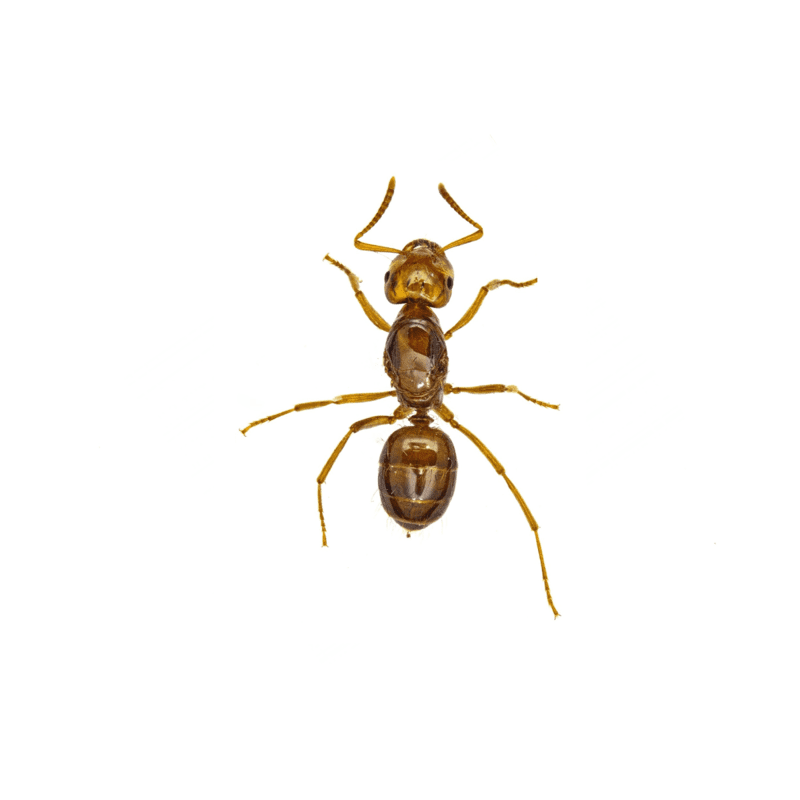
The appearance
Habits
- Nest in damp, rotting wood and soil near leaks.
- Feed on honeydew from insects on plant roots.
- Their presence usually points to a moisture problem.
Life Cycle
- Winged swarmers appear in late summer.
- Colonies live in damp wall cavities and wood.
- Fixing the moisture source helps stop them.
Pavement Ants
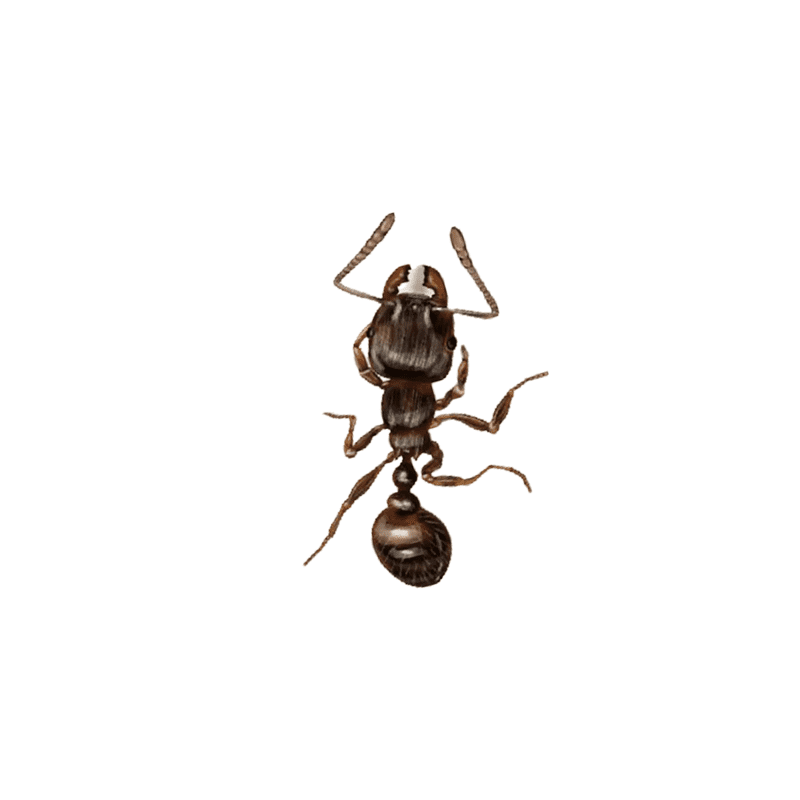
The appearance
Habits
- Nest under pavements, stones and building foundations.
- Push soil out of cracks in the floor.
- Eat almost anything, including sweets, grease and meat.
Life Cycle
- Colonies have several queens.
- Workers live for months.
- Swarmers can appear indoors.
Carpenter Ants

The appearance
Habits
- Dig tunnels in wood to nest but do not eat it.
- Leave small piles of sawdust near their nest.
- Mostly active at night.
Life Cycle
- A colony takes several years to mature.
- Mature colonies can have thousands of workers and extra satellite nests.
- Swarmers appear in spring.
Acrobat Ants

The appearance
Habits
- Nest in damp or damaged wood, insulation and wall cavities.
- Feed on honeydew and other insects.
- May bite and give off a smell when disturbed.
Life Cycle
- Colonies usually have one queen.
- Swarmers appear in late summer.
- Workers forage along clear trails.
Argentine Ants

The appearance
Habits
- Form huge colonies with many queens.
- Love sweet foods.
- Enter homes in large numbers, especially in hot or wet weather.
Life Cycle
- Many queens lay eggs all year round.
- Colonies spread by splitting off instead of swarming.
- Very hard to get rid of without professional treatment.
Ghost Ants

The appearance
Habits
- Nest in wall cavities, plant pots and behind cabinets.
- Prefer sweet foods.
- Move fast and in an erratic way.
Life Cycle
- Colonies have several queens.
- Colonies spread by splitting off.
- Can multiply quickly indoors.
Pharaoh Ants

The appearance
Habits
- Nest in warm, hidden places like wall cavities, appliances and sockets.
- Common in hospitals, restaurants and apartment buildings.
- Store-bought sprays can make them scatter and spread further.
Life Cycle
- Colonies have hundreds of queens.
- Colonies spread by splitting off.
- Egg to adult takes about 38 days in warm conditions.
Quick links
Where to Find Us
Our mission is to protect every customer's home with comprehensive, effective pest control and to exceed their expectations at every step. Safeguard is committed to delivering outstanding, high-quality service at competitive prices, because our customers' satisfaction and comfort are our top priority.
All Branches
Riyadh
Makkah
Dammam & Khobar
Jeddah
Riyadh
Makkah
Dammam & Khobar
Jeddah