-
Pest Control
More than 50 employees at your service in all branches.
Get a free inspection -
Pest Library
More than 50 employees at your service in all branches.
Explore Our Pest Library
Wasps (Vespidae)
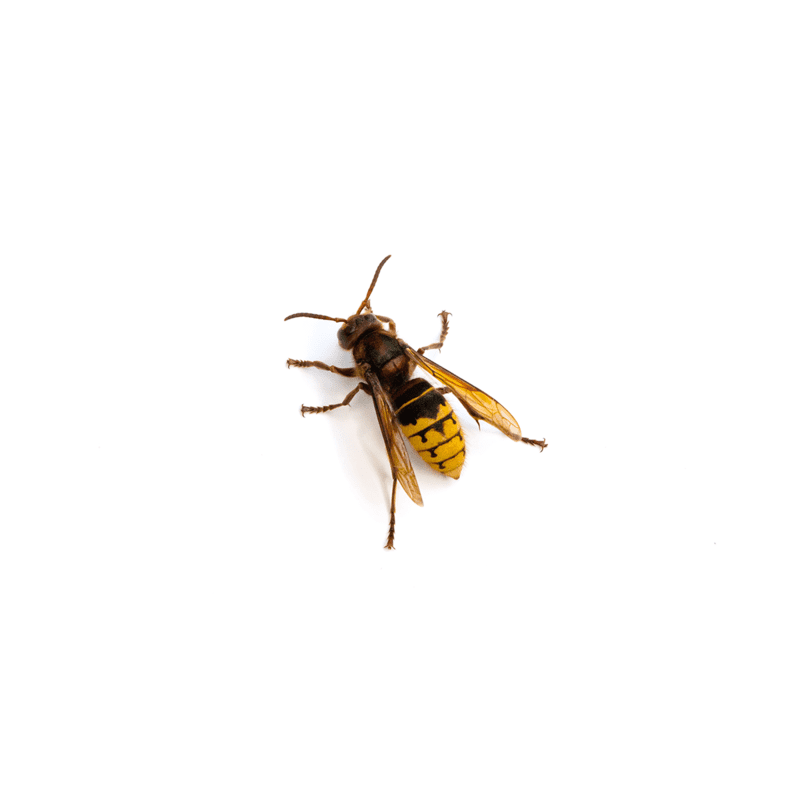
The appearance
-
1- Smooth body with yellow and black or brown stripes
2- Size: 1–4 cm
Life Cycle and Habits
Habits
-
1- Build nests on roofs, in trees and in wall cavities
2- May sting repeatedly when the nest is approached
Life cycle
-
1- The queen starts the nest in spring
2- Workers raise new queens at the end of the season
Bees (Apis)
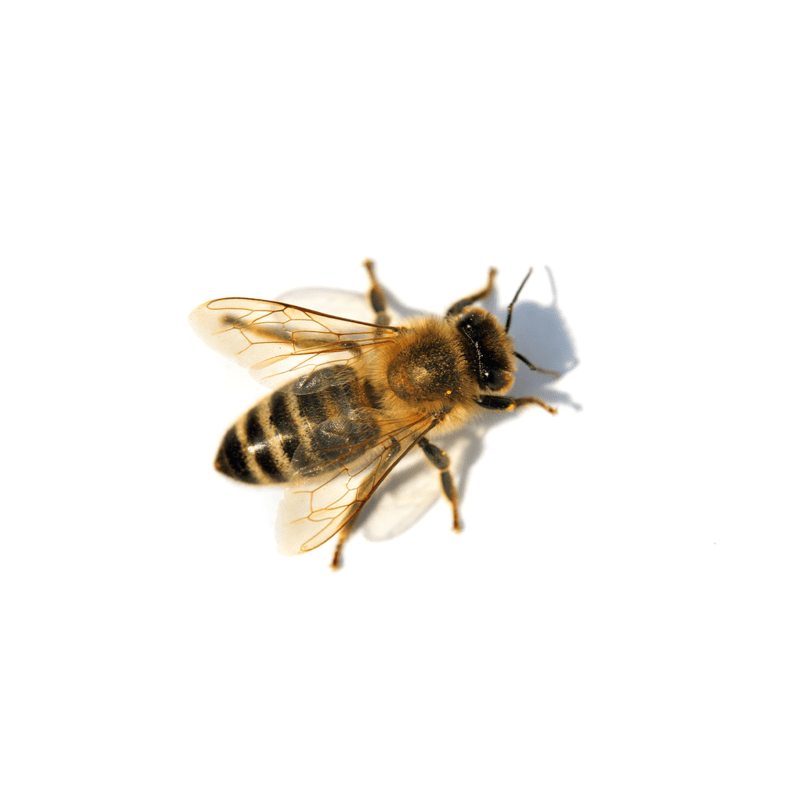
The appearance
-
1- Hairy body, often golden-brown
2- Size: 1–2 cm
Life Cycle and Habits
Habits
-
1- Live in large colonies and collect nectar
2- Sting to defend the hive
Life cycle
-
1- The queen lays thousands of eggs
2- A worker develops from egg to adult in about 3 weeks
Scorpions (Scorpiones)
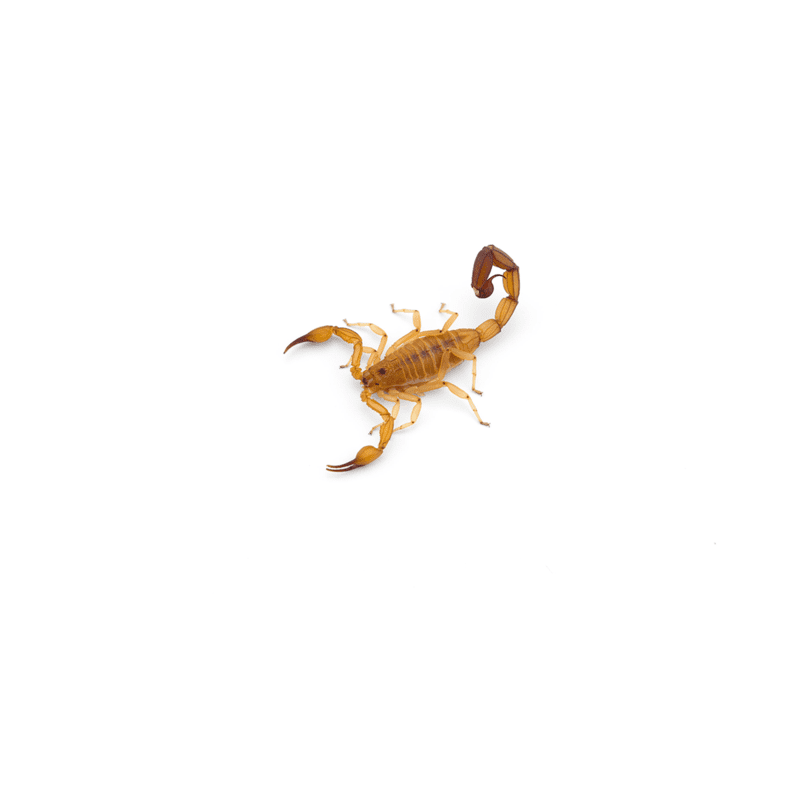
The appearance
-
1- Eight legs, pincers and a curved tail with a stinger
2- Size: 2–10 cm
Life Cycle and Habits
Habits
-
1- Hide under stones, in cracks and in dark places
2- Hunt at night, and some species are dangerous
Life cycle
-
1- The female gives birth to live young
2- The mother carries her young on her back until their first moult
Fire ants (Solenopsis)

The appearance
-
1- Reddish-brown body
2- Size: 2–6 mm
Life Cycle and Habits
Habits
-
1- Build soil nests in gardens
2- Attack in large numbers and their sting is painful
Life cycle
-
1- The queen lays hundreds of eggs a day
2- Workers mature in about a month