-
Pest Control
More than 50 employees at your service in all branches.
Get a free inspection -
Pest Library
More than 50 employees at your service in all branches.
Explore Our Pest Library
House flies (Musca domestica)
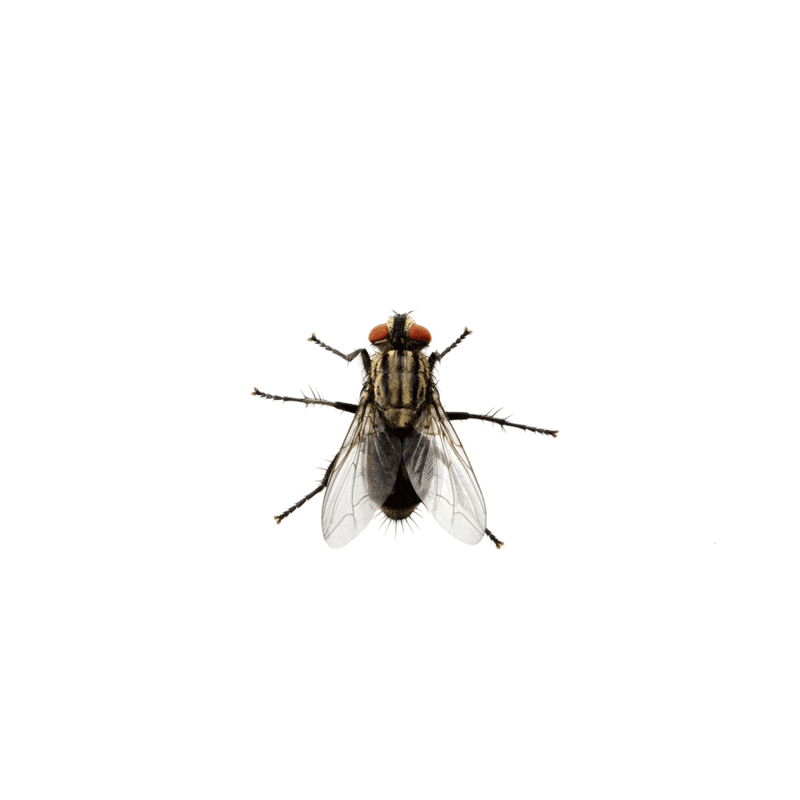
The appearance
-
1- Grey body with four dark stripes
2- Size: 6–7 mm
Life Cycle and Habits
Habits
-
1- Breed in rubbish and food waste
2- Spread germs by landing on food and surfaces
Life cycle
-
1- Eggs hatch into larvae within a day
2- Reach adulthood in about a week
Mosquitoes (Culicidae)
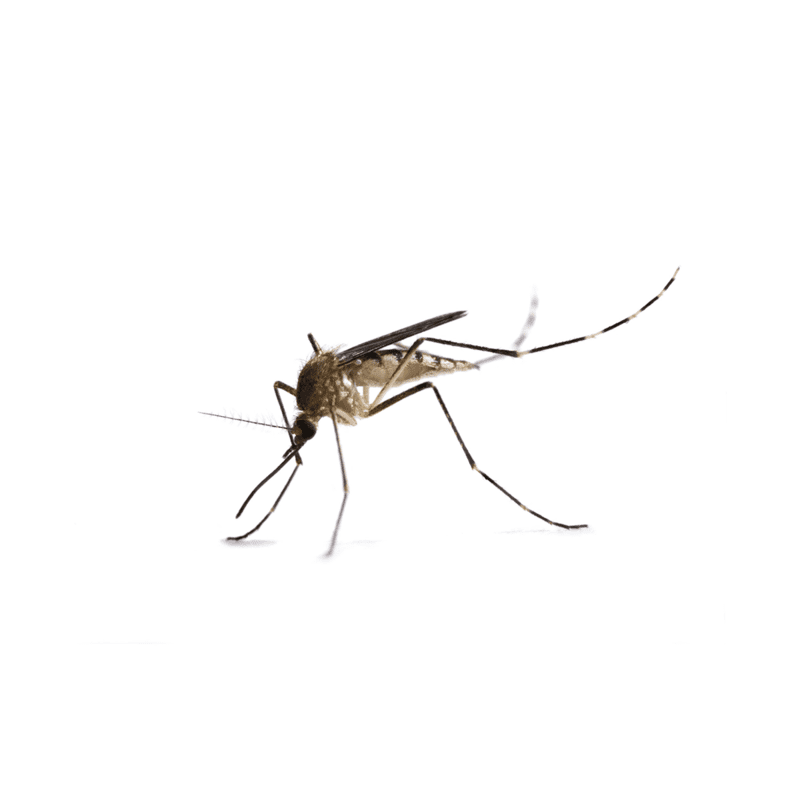
The appearance
-
1- Slender body, long legs and a piercing mouth
2- Size: 3–6 mm
Life Cycle and Habits
Habits
-
1- Females bite to feed on blood
2- Most active at dawn and dusk
Life cycle
-
1- Lay eggs on or near standing water
2- Larvae become adults within 7–10 days
Fruit flies (Drosophila)
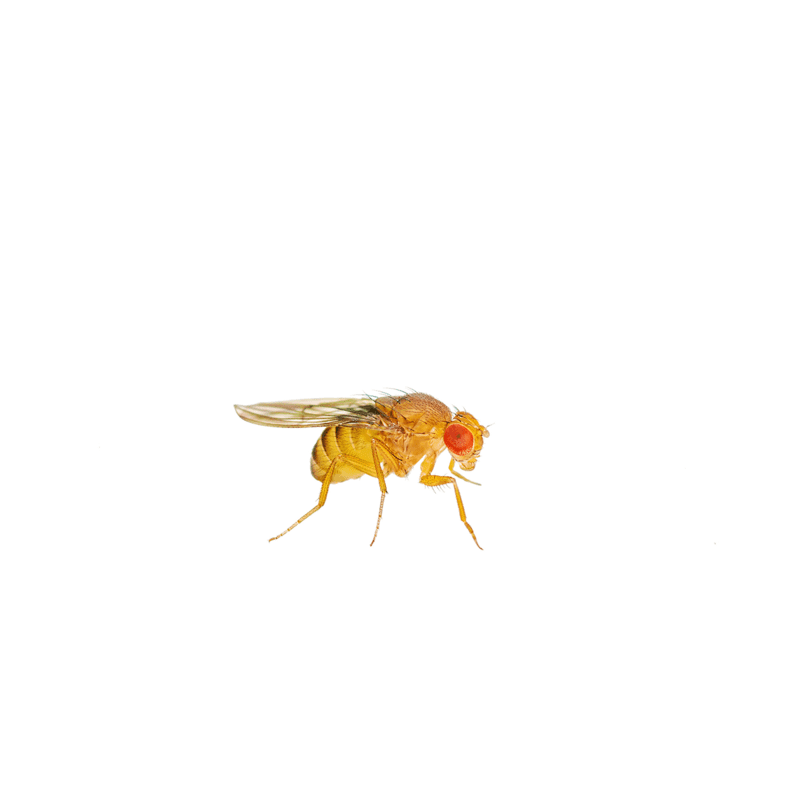
The appearance
-
1- Small, light-brown body with red eyes
2- Size: about 3 mm
Life Cycle and Habits
Habits
-
1- Attracted to ripe fruit, juices and drains
2- Gather in kitchens and food stores
Life cycle
-
1- Lay eggs on fermenting food
2- The life cycle takes 8–10 days
Moths (Lepidoptera)
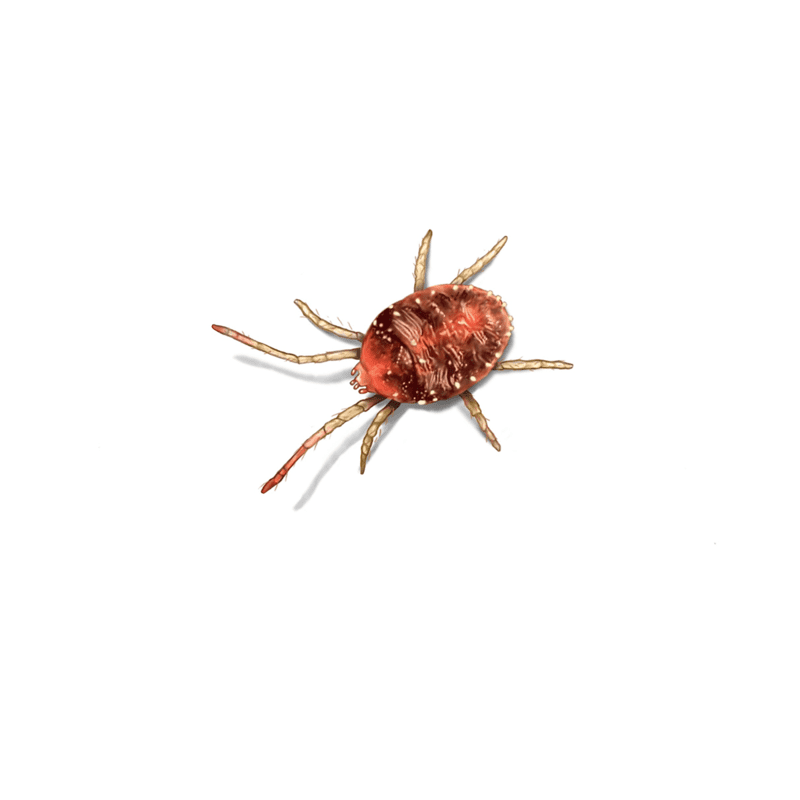
The appearance
-
1- Soft wings covered in fine scales
2- Size varies by species
Life Cycle and Habits
Habits
-
1- Their larvae damage clothes, carpets and stored food
2- Adults are attracted to light at night
Life cycle
-
1- Eggs hatch into damaging larvae
2- Larvae spin cocoons before becoming adults